
What Is a High-Clearance Bunk Bed? A Complete Guide to Bunk Bed Clearance
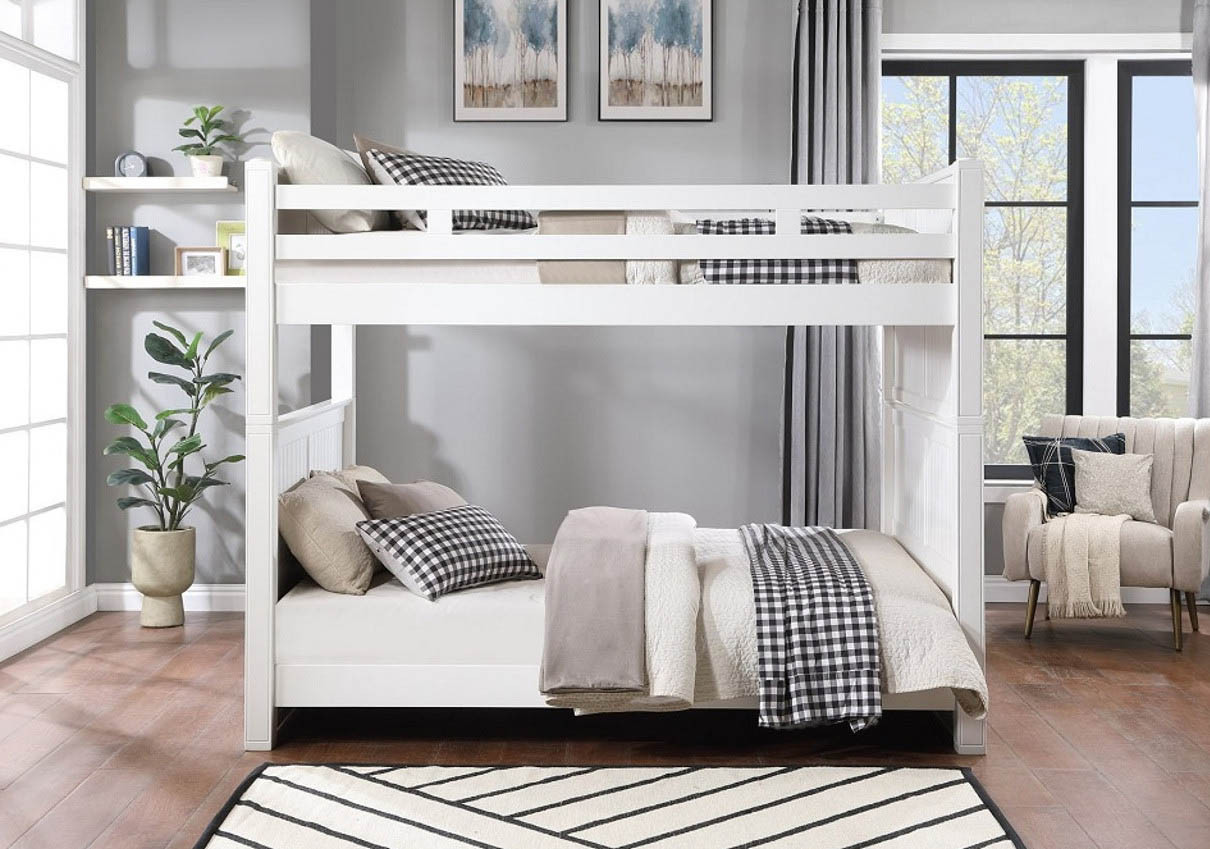
Bunk bed clearance is one of the most important, and often overlooked factors when choosing a bunk bed. Overall bed height matters, but it does not tell the whole story. The amount of space between the lower and upper bunks can have a major effect on comfort, particularly for teenagers and adults who want to sit upright on the lower bed.
A high-clearance bunk bed is designed to provide additional vertical space between the lower mattress and the underside of the upper bunk. This can be achieved through the overall height and design of the bunk bed, by positioning the lower bunk closer to the floor, or through a dual-height design that allows the lower bunk to be installed at different heights.
But more clearance between the bunks is not always automatically better. Increasing the space between the beds can reduce the amount of clearance between the top mattress and the ceiling. Mattress thickness also affects both measurements. Choosing the right bunk bed therefore means looking at the entire vertical space—from the floor to the lower mattress, between the two bunks, and from the upper mattress to the ceiling.
In this guide, we'll explain bunk bed clearance, how to measure it, how much headroom you may need, how ceiling height and mattress thickness affect usable space, and when a high-clearance or dual-height bunk bed may be the better choice.
What Does Bunk Bed Clearance Mean?
When discussing bunk beds, clearance can refer to more than one measurement. Understanding the difference is important because a bunk bed can provide generous space in one area while having limited space in another.
The three measurements that matter most are:
- Clearance between the bunks - The usable vertical space between the top of the lower mattress and the underside of the upper bunk. This determines how much headroom a person has while sitting or relaxing on the lower bed.
- Top-bunk ceiling clearance – The distance between the top of the upper mattress and the ceiling. This affects how comfortably someone can sit up, get in and out of bed, and use the upper bunk.
- Under-bed clearance – The space between the floor and the lower bed rail or mattress support. Depending on the bunk bed design, this area may be used for storage drawers, a trundle bed or open storage.
These measurements are interconnected. Creating more space between the lower and upper bunks can sometimes reduce the available space above the top bunk, particularly in rooms with standard-height ceilings.
Mattress thickness also changes the amount of usable clearance. A thicker lower mattress reduces the headroom between the bunks, while a thicker upper mattress reduces the space between the sleeper and the ceiling and can also affect the usable height of the guard rails.
For this reason, bunk bed clearance should not be evaluated by looking at the overall height of the bed alone. The height of the bed, position of the bed rails, mattress thickness and ceiling height all work together to determine how much usable space each bunk actually provides.
What Is a High-Clearance Bunk Bed?
A high-clearance bunk bed is designed to provide more vertical space between the lower mattress and the upper bunk than many conventional bunk bed configurations. The additional space can make the lower bunk more comfortable for taller children, teenagers and adults, particularly when sitting upright.
High clearance can be achieved in different ways. Some bunk beds are simply designed with greater spacing between the upper and lower bed rails. Others use a lower position for the bottom bunk, while adjustable or dual-height designs allow the lower bunk to be installed at different heights.
This distinction is important because there is no single universal measurement that defines every bunk bed as “high clearance.” Instead of relying on the description alone, shoppers should look at the actual space between the lower mattress and the underside of the upper bunk.
A bunk bed with more clearance can be particularly useful when the lower bunk will be used regularly by an adult or teenager. However, the additional lower-bunk headroom still needs to be considered alongside ceiling height and top-bunk clearance.
How Much Space Should There Be Between Bunk Beds?
There is no single amount of space between bunks that is ideal for every sleeper. The right amount of clearance depends on the height of the person using the lower bunk, the thickness of the mattress and how the lower bed will be used.
The most useful measurement is the usable headroom above the lower mattress. This is measured from the top surface of the mattress to the underside of the upper bunk. It is more meaningful than measuring from bed rail to bed rail because the mattress itself occupies part of that space.
For example, if a bunk bed provides approximately 34 inches of vertical space before the lower mattress is added, using an 8-inch-thick mattress leaves approximately 26 inches of usable headroom. Increasing the mattress thickness to 12 inches reduces that usable space to approximately 22 inches.
Those four inches can make a noticeable difference, especially for a teenager or adult who wants to sit upright, read or relax on the lower bunk.
This is why mattress thickness should be considered before purchasing a bunk bed, rather than after the bed has been assembled. A thicker mattress may feel appealing, but it can substantially reduce the usable space between the bunks.
For rooms where lower-bunk headroom is especially important, a high-clearance or dual-height bunk bed can provide greater flexibility. Dual-height designs allow the lower bunk to be positioned at different levels, making it possible to choose between more headroom between the bunks or more usable space underneath the lower bed.
How Mattress Thickness Affects Bunk Bed Clearance
Mattress thickness has a direct effect on the amount of usable space available on both the upper and lower bunks. Even a few inches can make a noticeable difference in headroom.
On the lower bunk, a thicker mattress raises the sleeping surface and reduces the space between the mattress and the underside of the upper bunk. For example, increasing mattress thickness from 8 inches to 12 inches reduces lower-bunk headroom by approximately 4 inches.
The upper bunk requires additional consideration. A thicker mattress not only reduces the amount of space between the sleeper and the ceiling, but also reduces the effective height of the guard rails above the mattress.
For this reason, we generally recommend an 8-inch-thick mattress for the upper bunk, unless the bunk bed manufacturer specifies otherwise. Always follow the manufacturer's mattress-thickness requirements, particularly for the upper bunk.
Mattress thickness should therefore be considered part of the bunk bed selection process rather than simply a comfort preference. When comparing bunk beds, look at the clearance measurements with the intended mattress thickness in mind. This provides a much more realistic picture of how much usable space each sleeper will actually have.
How Much Clearance Do You Need Above the Top Bunk?
The space between the top bunk mattress and the ceiling is just as important as the space between the bunks. A room may have enough ceiling height to physically accommodate a bunk bed, but that does not necessarily mean the person using the upper bunk will have comfortable headroom.
To determine the available top-bunk clearance, measure from the floor to the ceiling and compare that measurement with the height of the top surface of the upper mattress. The difference between the two measurements is the actual usable space above the mattress.
For example, in a room with an 8-foot ceiling, or 96 inches, a top mattress surface positioned 65 inches above the floor would leave approximately 31 inches of ceiling clearance.
Mattress thickness matters here as well. If a thicker mattress raises the sleeping surface by 4 inches, the available ceiling clearance is reduced by the same 4 inches.
This creates an important balancing act when choosing a high-clearance bunk bed. More space between the lower and upper bunks can sometimes mean less space between the upper bunk and the ceiling. The goal is not simply to maximize one measurement, but to find a configuration that provides practical space for both sleepers.
Ceiling fans, light fixtures, sloped ceilings and other overhead obstructions should also be considered when deciding where to position a bunk bed. Always follow the bunk bed manufacturer's placement and clearance instructions.
What Is a Dual-Height Bunk Bed?
A dual-height bunk bed gives you greater flexibility by allowing the lower bunk to be installed at more than one height.
Instead of being limited to a single fixed position, the lower bed can be configured based on how the space will be used. One setting can provide more headroom between the bunks, while the other can provide more space under the lower bunk for compatible storage or sleeping options.
This can be especially useful as needs change. A family may initially prefer additional space underneath the lower bunk for a trundle or storage, but later decide that greater lower-bunk headroom is more important as children grow into teenagers or the bed is used by adults.
At Just Bunk Beds, both the Dillon and Austin bunk bed collections feature dual-height designs. This gives shoppers the ability to choose the configuration that works better for their room, mattress thickness and intended use rather than being limited to one fixed lower-bunk height.
However, dual-height capability does not eliminate the need to measure the room. Changing the lower-bunk position changes the space between the bunks and underneath the lower bunk, while ceiling height, upper-bunk position and mattress thickness still need to be considered.
High-Clearance vs. Standard Bunk Beds: Which Is Right for You?
A standard bunk bed with fixed bed positions can work very well when the available space between the bunks is comfortable for the people who will be using it. For younger children or rooms where the lower bunk is primarily used for sleeping, additional headroom may not be a major consideration.
A high-clearance bunk bed becomes more useful when the lower bunk will be used by a teenager or adult, or when the lower bed serves as more than simply a place to sleep. Extra space between the bunks can make it easier to sit upright, read, use a laptop or simply relax without feeling confined by the upper bunk.
However, choosing between high clearance and a more traditional configuration also depends on what you want underneath the lower bed. Raising the lower bunk can provide additional room for options such as a trundle bed or under-bed storage, while lowering it can create more headroom between the bunks.
This is where a dual-height bunk bed offers an advantage. Instead of having to choose a permanently fixed configuration, the bed can be assembled at the height that better suits the room and the way the bunk bed will be used.
For example, someone purchasing a bunk bed primarily for teenagers or adults may place greater importance on lower-bunk headroom. A family that needs an additional sleeping surface or storage underneath the bed may prefer the alternate setting that provides more space below the lower bunk.
Neither configuration is automatically better. The right choice depends on four things working together: the height of the sleepers, mattress thickness, ceiling height and how the space underneath the lower bunk will be used.
How to Measure Your Room for a High-Clearance Bunk Bed
Before choosing a high-clearance bunk bed, measure the room carefully. The most important measurement is floor-to-ceiling height, but it should not be considered by itself.
Start by measuring the ceiling height where the bunk bed will actually be placed. Then compare that measurement with the overall height of the bunk bed and, more importantly, the expected height of the top surface of the upper mattress. This will tell you how much usable space the upper sleeper will have between the mattress and the ceiling.
Next, consider the lower bunk. Look at the distance between the lower and upper bed positions and subtract the thickness of the lower mattress. This gives you a better estimate of the actual headroom available to the person using the lower bunk.
When measuring the room, also consider:
- Ceiling fans and light fixtures – A bunk bed should not be positioned where the upper sleeper could come into contact with a fan or hanging fixture.
- Sloped ceilings – Measure the ceiling at the exact location where the bunk bed will stand rather than relying on the room's maximum ceiling height.
- Windows – Consider their location and whether the bunk bed could interfere with access or operation.
- Doors and closets – Make sure the bed and ladder will not interfere with doors, closet doors or normal pathways through the room.
- Ladder space – An angled ladder requires additional floor space beyond the footprint of the bunk bed, while a vertical or end ladder generally requires less.
- Trundles and storage drawers – Allow enough open floor space beside the bed for a trundle or drawers to extend fully.
For a dual-height bunk bed, take measurements with both possible lower-bunk positions in mind. The lower setting may provide greater headroom between the bunks, while the higher setting may create additional space underneath for compatible storage or sleeping options.
A few minutes spent measuring these areas can prevent a common mistake: choosing a bunk bed that technically fits in the room but does not provide enough usable clearance once the mattresses are installed.
Does Ceiling Height Matter for a High-Clearance Bunk Bed?
Yes. Ceiling height affects how much flexibility you have when choosing a high-clearance bunk bed. A taller room generally gives you more freedom to prioritize additional space between the bunks without making the upper sleeping area feel confined.
An 8-foot ceiling is common in many homes, but room dimensions alone should never determine whether a particular bunk bed is a good fit. The overall bunk bed height, mattress thickness and location of the upper and lower bed rails all influence the final usable space.
Rooms with higher ceilings generally offer more flexibility, while lower ceilings require more careful consideration of the bunk bed's dimensions and configuration.
Ceiling fans, hanging light fixtures, beams and sloped ceilings should also be considered. These features can affect where a bunk bed can safely and comfortably be positioned even when the room itself has adequate ceiling height.
For a high-clearance bunk bed, the goal is balance: providing comfortable space between the bunks while making sure the overall configuration works within the room.
High-Clearance Bunk Beds for Adults and Teenagers
As sleepers get taller, the amount of space between the bunks becomes increasingly important. A lower bunk that feels spacious for a young child may feel considerably more confined when used by a teenager or adult.
Additional clearance can make the lower bunk more comfortable for everyday use, particularly for someone who wants to sit upright, read, watch television or use a laptop in bed rather than use the bunk solely for sleeping.
However, clearance should not be confused with weight capacity. A bunk bed can provide generous headroom without necessarily being designed to support an adult sleeper. Likewise, a heavy-duty bunk bed may have a substantial weight capacity but still provide limited headroom if the bunks are positioned relatively close together.
When selecting a bunk bed for teenagers or adults, consider both usable clearance and the manufacturer's stated weight capacity, along with the construction of the bed and the recommended mattress thickness.
For households where the lower bunk will regularly accommodate an adult or taller teenager, a high-clearance or dual-height design can provide greater flexibility and a more comfortable sleeping environment.
How Dual-Height Bunk Beds Create More Usable Space
Not all bunk beds have the same amount of vertical space to work with. Overall bunk bed height can make a significant difference, especially when the goal is to provide comfortable headroom on the lower bunk.
Many conventional bunk beds are approximately 63 to 65 inches high. By comparison, the Dillon and Austin bunk bed collections are approximately 70 inches high, providing additional vertical space that can be used to create a more comfortable configuration between the upper and lower beds.
Both Dillon and Austin also feature dual-height lower-bunk settings. This allows the lower bed to be installed in one of two positions depending on how the bunk bed will be used.
In the lower position, the priority is more headroom between the bunks. This can be especially useful for adults, teenagers and taller sleepers using the lower bed.
In the higher position, the priority shifts to more space underneath the lower bunk, which can be useful when accommodating compatible under-bed storage or sleeping options.
The combination of a taller overall bunk bed and adjustable lower-bunk positions is what makes these designs particularly versatile. Rather than forcing every household into one fixed configuration, the available vertical space can be distributed according to how the bed will actually be used.
This is also why overall bunk bed height should be considered when comparing high-clearance designs. A taller bunk bed has more vertical space available to work with, while a shorter bunk bed may have fewer options for increasing lower-bunk headroom without affecting other aspects of the design.
When Is a High-Clearance Bunk Bed the Better Choice?
A high-clearance bunk bed can be especially useful when the lower bunk is expected to function as more than just a sleeping surface. The additional space can make the lower bed feel more like a conventional bed rather than an enclosed sleeping area.
It may be worth considering a high-clearance design when:
- Teenagers or adults will use the lower bunk. Taller sleepers generally benefit more from additional sitting room between the beds.
- The lower bunk will be used throughout the day. Extra clearance can make reading, relaxing, watching television or using a laptop more comfortable.
- The bunk bed will be used for many years. Children grow, and a configuration that feels spacious today may feel considerably different several years later.
- Different age groups will share the bunk bed. A younger child may sleep on top while an older sibling, teenager or adult uses the larger sleeping area below.
- Flexibility is important. A dual-height design allows the configuration to be changed as sleeping or storage needs evolve.
High clearance may be less important when both bunks are primarily used by younger children or when maximizing under-bed space is the greater priority. In those situations, a higher lower-bunk position may provide more useful room underneath for a trundle or storage.
The key is to think beyond whether the bunk bed simply fits in the room. Consider who will use each bunk, how they will use it and whether those needs are likely to change over time.
High Clearance and Under-Bed Storage or Trundles
One of the tradeoffs with bunk bed clearance occurs underneath the lower bunk. Lowering the bottom bed creates more headroom between the bunks, but it also reduces the amount of space available underneath.
This becomes important when the bunk bed will be used with a trundle or under-bed storage drawers. These options require sufficient clearance beneath the lower bed to operate properly.
With a dual-height bunk bed, the choice of lower-bunk position can therefore depend on which feature is more important. The lower setting can provide more headroom between the bunks, while the higher setting can provide more space underneath the lower bunk for compatible storage or sleeping options.
The type of ladder should also be considered when adding a trundle. An angled ladder that extends toward the floor can interfere with the space needed to pull a trundle out. A vertical ladder or ladder positioned on the end of the bunk bed may provide better access, depending on the design.
Before ordering a trundle or storage option, check the manufacturer's specifications to make sure it is compatible with the bunk bed, its height setting and its ladder configuration.
For shoppers who want both comfortable lower-bunk headroom and under-bed functionality, this is another advantage of a dual-height design: the bed can be configured around the feature that matters most rather than being permanently limited to one lower-bunk position.
Common Bunk Bed Clearance Mistakes to Avoid
Bunk bed dimensions can look straightforward, but several common mistakes can result in a bed that technically fits in the room while providing less usable space than expected.
Looking only at the overall bunk bed height. Overall height is important, but it does not tell you how much usable headroom the sleepers will actually have. The position of the upper and lower beds is equally important.
Forgetting to account for mattress thickness. Clearance measurements can change significantly once the mattresses are added. Always evaluate the bed using the thickness of the mattresses you intend to use.
Assuming “high clearance” is a standard measurement. There is no single measurement that automatically makes a bunk bed high clearance. Compare the actual dimensions and bed positions rather than relying solely on the description.
Ignoring ceiling fans and light fixtures. A room may have sufficient ceiling height while still having an overhead obstruction that makes a particular bunk bed location unsuitable.
Choosing the height setting without considering under-bed options. On a dual-height bunk bed, lowering the bottom bunk creates more space between the beds but reduces the space underneath. If you plan to use a trundle or storage drawers, determine which height setting they require before assembly.
Overlooking the ladder configuration. An angled ladder can require considerably more floor space and may interfere with a trundle. Consider how the ladder, trundle, drawers and surrounding furniture will work together before deciding where to position the bunk bed.
Choosing for today's needs only. A bunk bed purchased for younger children may eventually be used by taller teenagers or even adults. When possible, consider how the bed and available clearance will work as sleeping needs change.
Taking these factors into account before purchasing can help you choose a bunk bed that not only fits the room, but also provides the headroom, accessibility and flexibility you expect from it.
Frequently Asked Questions
What is considered a high-clearance bunk bed?
A high-clearance bunk bed is designed to provide more usable vertical space between the lower mattress and the upper bunk than many conventional bunk bed configurations. There is no universal measurement that defines a bunk bed as high clearance, so shoppers should compare the actual spacing between the bunks rather than relying on the description alone.
Are high-clearance bunk beds better for adults?
They can be. Adults and taller teenagers often benefit from additional lower-bunk headroom, especially if they want to sit upright, read or relax in bed. However, clearance is only one consideration. The bunk bed should also have an appropriate weight capacity and construction for the intended users.
How does mattress thickness affect bunk bed clearance?
A thicker mattress reduces usable headroom. On the lower bunk, it decreases the space between the mattress and the upper bunk. On the top bunk, mattress thickness also affects the effective height of the guard rails. Always follow the manufacturer's maximum mattress-thickness recommendations.
What is a dual-height bunk bed?
A dual-height bunk bed allows the lower bunk to be installed at more than one height. The lower position can provide more headroom between the bunks, while the higher position can provide additional space underneath the lower bed for compatible storage or sleeping options.
Can a high-clearance bunk bed have a trundle or storage drawers?
Yes, depending on the design. However, a trundle or under-bed drawers require sufficient space beneath the lower bunk. On a dual-height model, this may mean using the higher lower-bunk setting. Always verify compatibility with the particular bunk bed and under-bed option.
What ceiling height is best for a high-clearance bunk bed?
There is no single ceiling height that works for every bunk bed. The appropriate fit depends on the overall bed dimensions, bunk positions and mattress thickness, as well as ceiling fans, light fixtures or other overhead obstructions. Measure the room and compare those measurements with the manufacturer's specifications before purchasing.
Choosing the Right Bunk Bed Clearance for Your Room
Choosing the right bunk bed clearance comes down to more than simply finding a bed that fits within the dimensions of the room. The height of the sleepers, mattress thickness, ceiling height and intended use of the lower bunk should all be considered together.
For younger children, a standard bunk bed configuration may provide plenty of usable space. For teenagers and adults, additional headroom between the bunks can make the lower sleeping area considerably more comfortable, especially when it will also be used for reading, relaxing or sitting upright.
If under-bed storage or a trundle is important, the amount of space beneath the lower bunk also becomes part of the decision. This is where a dual-height bunk bed can provide useful flexibility by allowing the lower bed position to be selected according to how the bunk bed will be used.
The Dillon and Austin bunk bed collections combine an approximately 70-inch overall height with dual-height lower-bunk settings, giving you the choice between more headroom between the bunks or more space underneath the lower bunk.
Before making a final decision, measure the room carefully, consider the mattresses you plan to use and compare those measurements with the specifications of the bunk bed. The goal is not simply to find the tallest bunk bed or the greatest possible clearance, but to find the configuration that provides the best use of the available vertical space for both sleepers.