
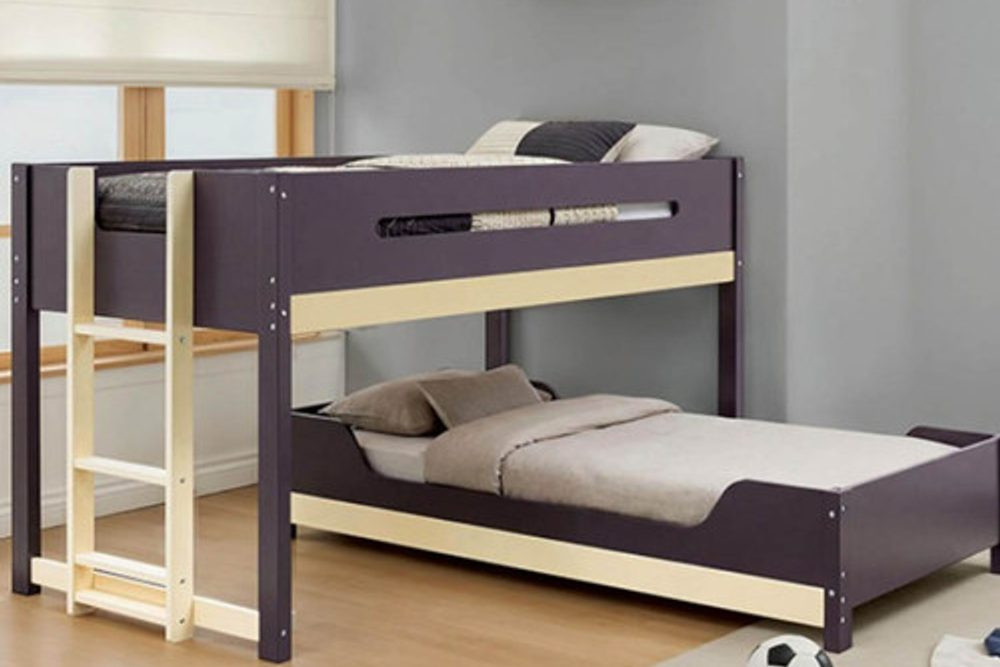
What You Need To Know About Bunk Bed Mattress Dimensions
Posted by Posted by Just Bunk Beds on Jul 30th 2026
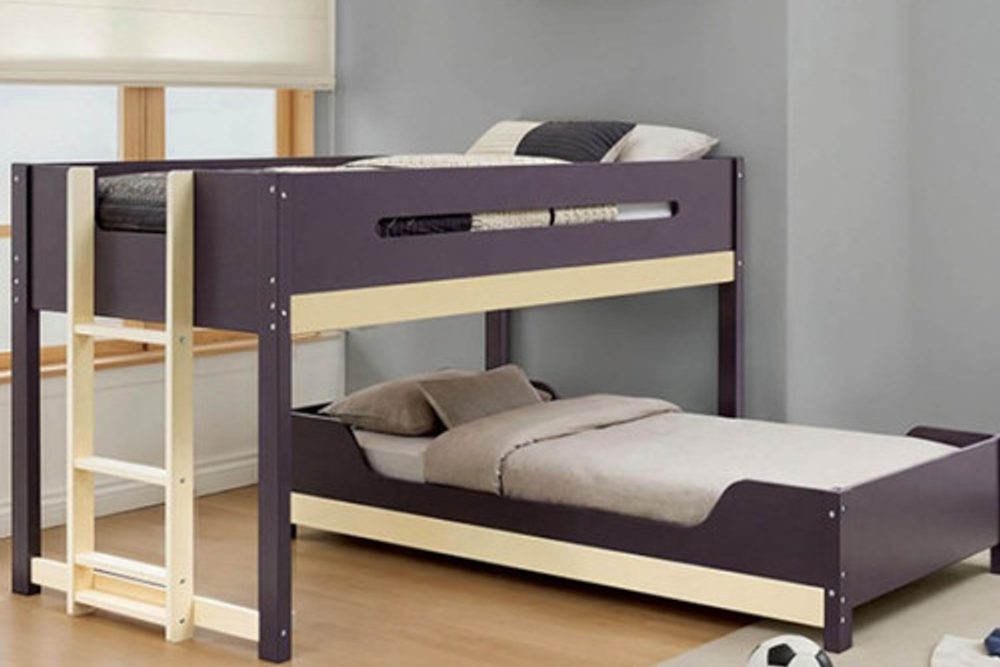
Quick Summary
Most bunk beds use a standard Twin (38" x 75") or Twin XL (38" x 80") mattress, and getting the right fit starts with measuring your actual frame rather than going by the label alone. Bunk mattresses run thinner than regular ones, usually around 8 inches, to keep sleepers safely below the guardrail. Two twin mattresses pushed together don't add up to a queen, since the combined shape is wider and shorter than a true queen. Checking your platform size, guardrail height, and foundation type (slats, not a box spring) before you order is the easiest way to avoid a mattress that doesn't fit right.
If you've ever bought a mattress for a regular bed, you probably assumed a bunk bed mattress would be just as simple. Then you started measuring, and a few questions popped up. How thick can it actually be? Does "twin" mean the same thing on a bunk as it does everywhere else? And can you really turn two twin beds into a queen if you push them together?
These are the questions we hear most often from customers, so let's walk through them one at a time.
Start With the Frame, Not the Mattress
Before you shop for a mattress, measure your bunk bed frame directly. Don't assume that because a mattress is labeled "twin," it will automatically work with your frame. Manufacturers build their guardrails, slats, and corner posts a little differently, so the safest approach is always to measure what you have rather than go by the label alone.
Two measurements matter most:
- The mattress platform (length and width where the mattress sits)
- The guardrail height (how far the rail rises above where the mattress surface will sit)
That second one trips people up the most, and we'll get into why in a minute.
Twin or Twin XL: Which One Do You Need?
Most bunk beds are built around one of two standard sizes:
| Size | Dimensions | Best for |
|---|---|---|
| Twin | 38" wide x 75" long | Kids' rooms, standard bunk frames |
| Twin XL | 38" wide x 80" long | Teens, adults, and anyone over 6 feet tall |
The width is identical between the two. The only difference is those extra 5 inches of length in a Twin XL, which matter a lot more than they sound like on paper. If you've got a teenager who's already taller than you, or you're buying an adult bunk bed for a guest room, Twin XL is usually worth the small upgrade. Our full XL over queen bunk beds pair a Full XL mattress up top with extra length for taller sleepers, while the queen below gives couples or extra guests a full-size sleeping surface.
Why Bunk Bed Mattresses Are Thinner Than You'd Expect
This is the part that surprises most first-time buyers. A mattress you'd put on a regular bed frame at home is often 10 to 12 inches thick. A mattress made for a bunk bed usually tops out around 8 inches, sometimes less.
That's not a downgrade in comfort. It's a safety decision.
The guardrail on the top bunk is only so tall, and it's there to keep someone from rolling off in their sleep. If you put a thick, pillow-top mattress on the top bunk, the sleeping surface can end up sitting level with or above the top of the guardrail, which defeats the whole point of having one. A thinner mattress keeps the sleeper's body well below the rail, where it's supposed to be.
Before you buy a replacement mattress, measure from the bottom of the mattress platform to the top of the guardrail. That number is your real ceiling for mattress thickness, not a general rule of thumb. Most bunk bed manufacturers list a maximum recommended mattress thickness in their assembly instructions or spec sheet, and it's worth checking that number before you fall in love with a specific mattress online.
One More Thing: No Box Spring Needed
Regular bed frames often use a box spring to support the mattress. Bunk beds almost never do. Instead, they use a slat system built into the frame itself, spaced out to hold the mattress evenly without extra hardware underneath.
This matters for two reasons. First, it's one less thing to buy. Second, it means you should check the mattress manufacturer's foundation requirements before you order, since some mattresses (especially certain memory foam models) are designed with slats in mind, and others expect a solid or box-spring foundation to perform the way they're supposed to.
Can You Push Two Twin Beds Together to Make a Queen?
Short answer: not really.
A queen mattress measures 60 inches wide by 80 inches long. Two twin mattresses pushed side by side add up to 76 inches wide by 75 inches long. That's 16 inches wider than a real queen, and usually 5 inches shorter. The proportions are just different, so what you get isn't a queen, it's two twins with a gap down the middle (and a very different shape).
There are connector kits on the market designed to join two twin frames into one shared sleeping surface, but that's a different setup entirely, not a true queen mattress. If a genuine queen-size sleeping surface is what you're after, look for a bunk bed built with an actual queen platform, like the ones in our XL & queen bunk beds lineup. It'll save you from a mattress that never quite lines up the way you pictured it.
Picking a Mattress Type: Memory Foam vs. Hybrid vs. Innerspring
Once you know your size and thickness limit, the type of mattress comes down to personal preference. All three main types are available in bunk-friendly thicknesses:
- Memory foam contours to the body and tends to sleep a little warmer, but it's usually the easiest to find in thinner profiles.
- Hybrid combines foam layers with coils, giving you more bounce and airflow than straight memory foam.
- Innerspring is the traditional coil mattress feel, often the most affordable option in bunk s
None of these affect how the mattress fits your frame. That comes down to the length, width, and thickness numbers above. Comfort preference is really just about how you like to sleep.
Quick Checklist Before You Order
- Measure your frame's mattress platform (length and width).
- Measure from the platform to the top of the guardrail to find your maximum mattress thickness.
- Check whether your frame needs a Twin or Twin XL, especially if a taller sleeper will be using the top bunk.
- Confirm the mattress doesn't require a box spring or solid foundation your bunk bed doesn't have.
- Choose memory foam, hybrid, or innerspring based on comfort, not fit.
Getting these five things right before you buy saves you from a return, an awkward-looking mattress that hangs over the edge, or worse, a top bunk that isn't as safe as it should be.
Why Shop With Just Bunk Beds
Just Bunk Beds has spent years helping families and homeowners across the country find the right bunk bed, loft bed, and adult bunk bed for their space. We carry one of the largest selections online, from simple kids' bunks to full-size adult frames, stairs, trundles, and mattresses, all from top manufacturers and tested to meet ASTM safety standards. Every order ships free anywhere in the continental U.S., and our customer service team is on hand to help you sort out sizing, safety, or fit questions before you buy, not after.
Browse our full collection of bunk beds and loft beds, or give us a call at 800-507-5440 and let us help you find the right one for your home.
FAQs
What size mattress fits a standard bunk bed?
Most bunk beds use a standard Twin mattress at 38" x 75". Frames built for taller sleepers use a Twin XL at 38" x 80", which adds 5 inches of length at the same width.
How thick should a bunk bed mattress be?
It depends on your specific frame's guardrail height, but most bunk beds are designed for mattresses around 8 inches thick. Always measure your own guardrail clearance and check the manufacturer's maximum recommended thickness rather than guessing.
Do two twin mattresses make a queen if you put them together?
No. Two twins together measure 76" wide by 75" long, while a true queen measures 60" wide by 80" long. The shape and size don't match, so you end up with something wider and shorter than an actual queen, not a queen replacement.
Does a bunk bed need a box spring?
Almost never. Bunk beds typically use built-in slats to support the mattress directly. Check your mattress manufacturer's foundation requirements to make sure it's compatible with a slat system.
Is memory foam or innerspring better for a bunk bed?
Either works fine as long as it's the right size and within your frame's thickness limit. It really comes down to personal comfort preference, not compatibility with the bed.