
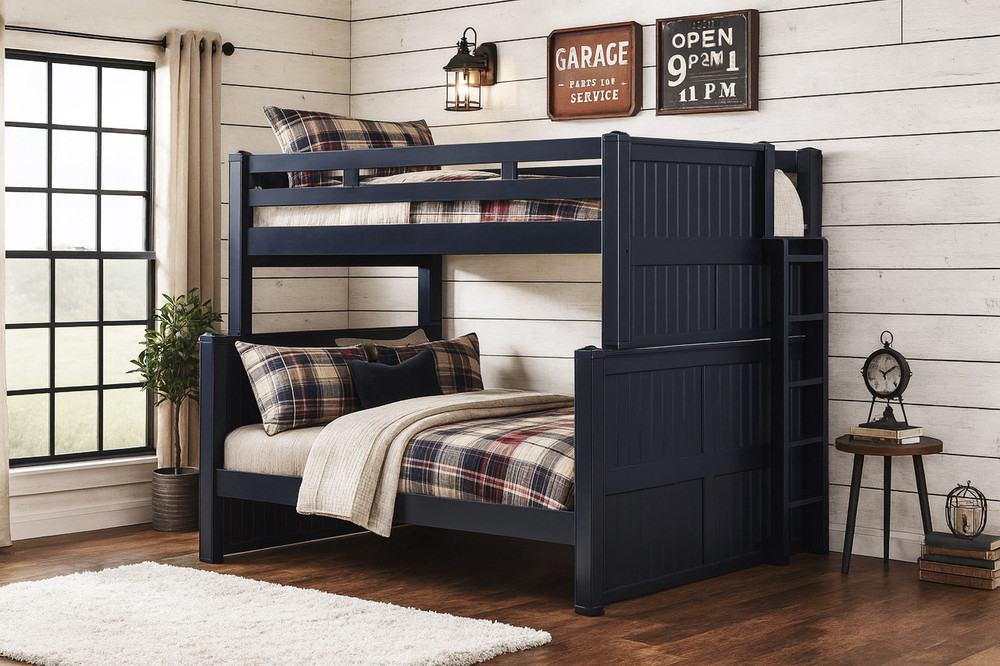
The Truth About Heavy Duty Bunk Beds: Are They Safe For Adults?
Posted by Posted by Just Bunk Beds on May 29th 2026
Structural integrity plays a direct role in how safe a sleeping setup feels over time. When buyers ask, are heavy-duty bunk beds safe, the answer depends on engineering, material quality, and real-world usage conditions.
Modern adult bunk beds differ significantly from older, lightweight designs built for children. Reinforced frames, higher load ratings, and stable access systems have reshaped expectations.
A well-built configuration can handle daily use across apartments, rentals, and shared spaces without compromising comfort or stability.
What Defines Heavy-Duty Bunk Beds for Adults
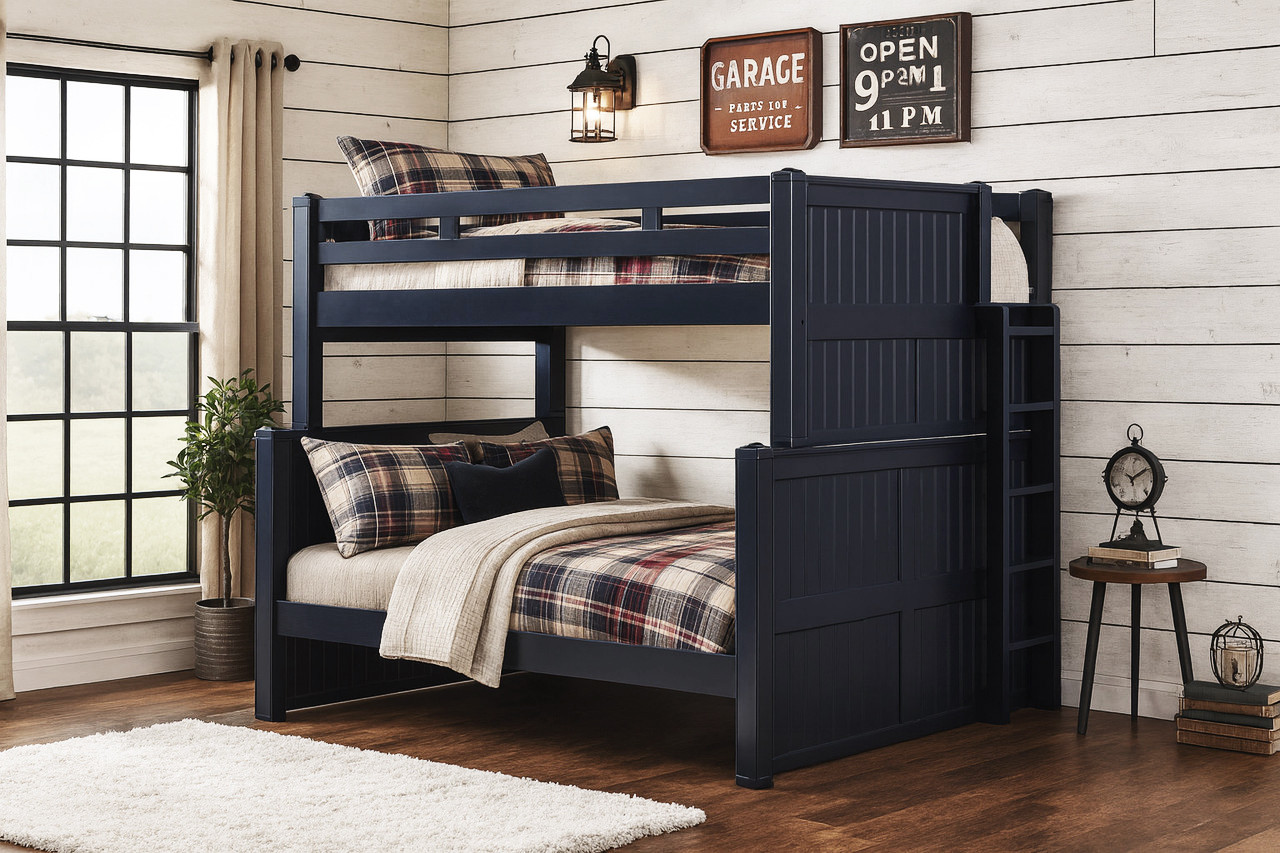
Heavy-duty bunk beds are engineered with stronger materials and reinforced joinery to handle higher weight loads. Unlike standard twin bunk beds designed for children, adult bunk beds rely on thicker structural components and tighter assembly tolerances.
Most high-quality frames use solid hardwood or reinforced steel tubing. Hardwood options deliver a dense, stable frame, while metal structures offer a rigid, industrial profile. Both focus on reducing flex and movement under pressure. Guardrails, ladder design, and slat systems also receive upgrades to match adult usage.
Long bunk beds and extended-length configurations further reflect this shift. These models accommodate taller sleepers while maintaining frame balance, which directly impacts safety.
How Weight Capacity Influences Safety
Weight capacity is more than just a number on a product specification sheet. It indicates how well a bunk bed can safely handle daily use over time. A properly built heavy-duty bunk bed is designed to distribute weight evenly across the frame, slats, joints, and support posts to reduce stress on the structure.
Most adult bunk beds are designed to support between 400 and 800 pounds per sleeping level, depending on the materials and construction. Solid wood frames made from durable hardwoods often support higher weight limits, especially when combined with reinforced slat systems. Heavy-duty steel bunk beds with thicker metal tubing also provide strong stability and long-term durability.
When a bunk bed exceeds its recommended weight limit, it can place unnecessary strain on the frame, loosen joints and hardware, and reduce overall stability. Following the manufacturer’s stated capacity helps maintain safety, structural integrity, and the lifespan of the bed.
Material Strength and Structural Stability
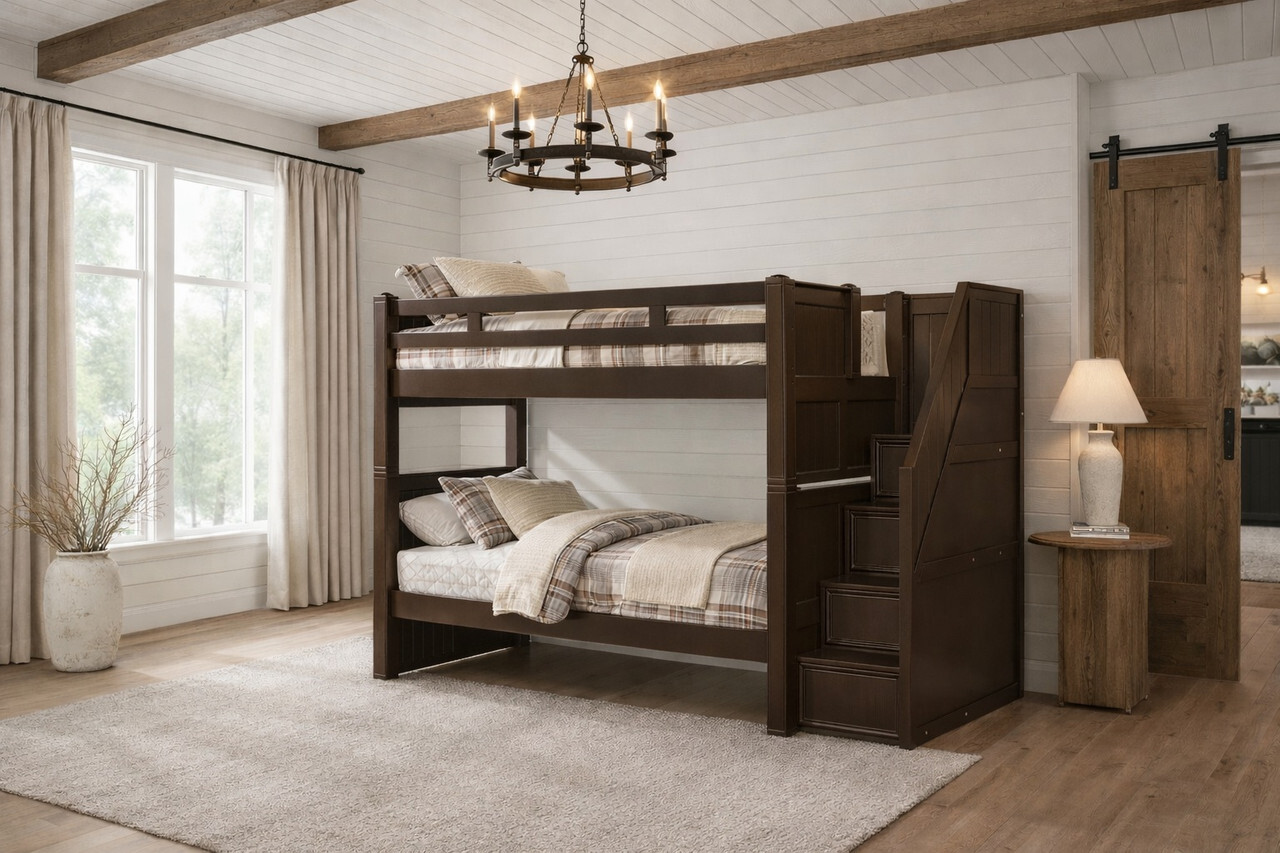
Material selection shapes how a bunk bed responds to movement, weight shifts, and long-term wear. Hardwood frames resist compression and maintain shape over time. Steel structures resist bending and deliver a firm, unmoving base.
Connection points often determine overall stability. Reinforced joints, high-grade fasteners, and precision-drilled alignment points reduce wobble. Poorly aligned frames create uneven pressure distribution, which leads to noise, instability, and faster wear.
A stable bunk bed should feel grounded. Minimal sway during climbing or repositioning signals a well-balanced structure.
Safety Features That Matter in Daily Use
Daily usability reveals the difference between a basic frame and a well-designed adult bunk bed. Safety extends beyond weight capacity and includes how each component functions together.
Guardrails should sit at an appropriate height above the mattress surface to prevent rolling. Ladder systems need secure attachment points and comfortable spacing between steps. Angled ladders often feel more stable compared to vertical designs.
Slat systems must hold mattresses firmly without shifting. Closely spaced slats reduce pressure points and improve weight distribution. These details influence both safety and sleep quality.
Comparing Twin Bunk Beds and Long Bunk Beds for Adults
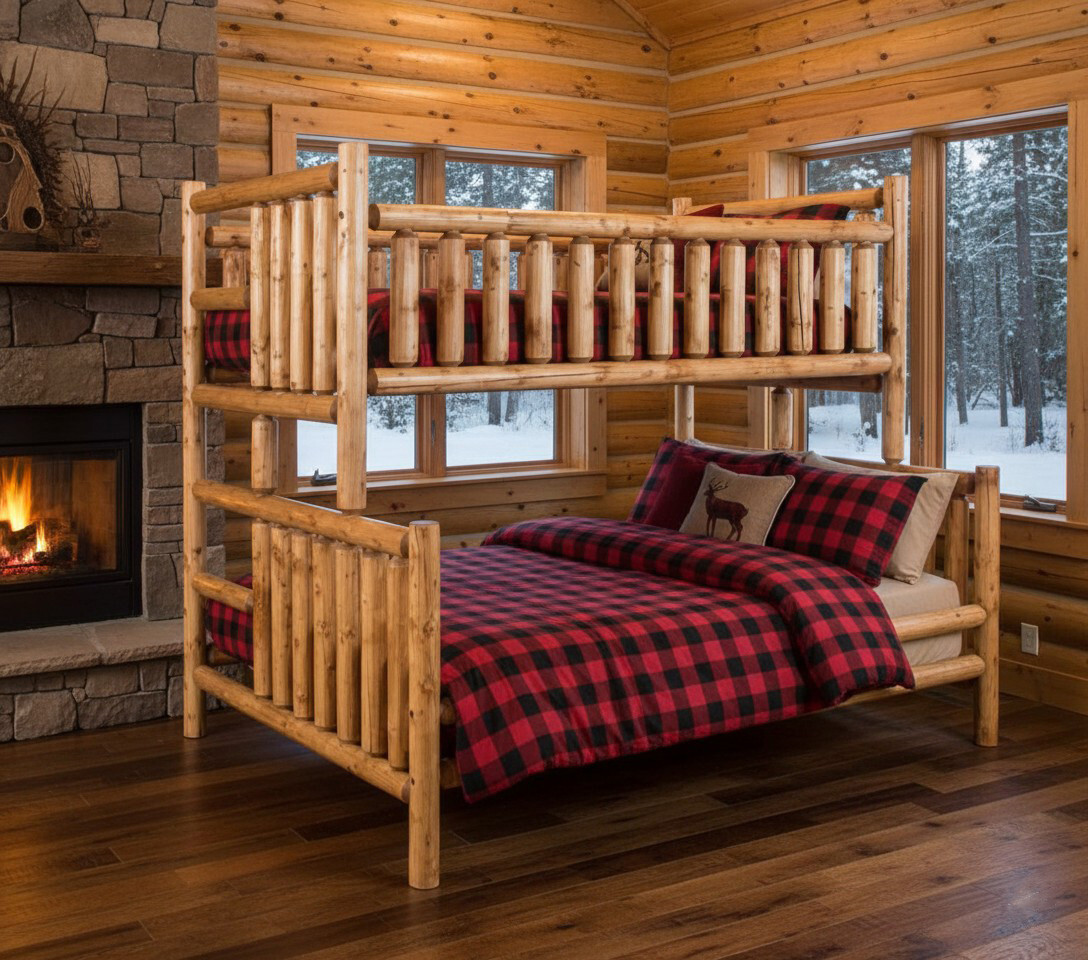
Twin bunk beds still work for compact layouts, but they suit lighter usage or smaller body frames. For adults seeking more comfort, long bunk beds or extended configurations create better alignment for full-body support.
Longer frames reduce edge pressure and allow more natural sleep positions. In shared spaces or rentals, these configurations also improve guest comfort, which impacts overall satisfaction.
Selecting the right size is not only about fit. It directly affects stability, as properly matched dimensions reduce strain on the frame.
Common Misconceptions About Adult Bunk Bed Safety
A common assumption suggests that bunk beds remain suitable only for children. That perspective comes from older, lightweight designs that lacked reinforcement.
Modern adult bunk beds follow stricter construction practices. Certified testing standards evaluate load performance, structural integrity, and material durability. When these criteria are met, the result is a stable and reliable sleeping system.
Another misconception focuses on noise and movement. Properly assembled frames with quality materials remain quiet and stable, even with regular use.
What to Evaluate Before Making a Purchase
A careful review of specifications leads to better long-term performance. Buyers should focus on measurable details rather than surface appearance.
Weight capacity should align with expected usage. Frame material needs to match the environment, especially in high-traffic setups like rentals or shared homes. Ladder placement, guardrail height, and overall dimensions should fit the available space without restricting movement.
Clear product information and responsive guidance reduce the risk of ordering mismatched configurations. Accurate measurements and informed selection prevent avoidable adjustments later.
Upgrade Your Space with Heavy-Duty Adult Bunk Beds
With us, selecting adult bunk beds becomes clear and confidence-driven. Our collection features heavy-duty frames built for stability, long-term use, and real living demands. We help you match size, weight capacity, and layout without second-guessing your choice.
Explore our bunk bed collection and move forward with a setup that feels secure, practical, and built to last.