
How Loft Beds Can Help You Save Space
Posted by UPW on Oct 15th 2025
Small rooms can feel crowded when every piece of furniture competes for limited floor space. Understanding how loft beds can save space gives you a clearer path toward creating a room that feels open and calm. A loft bed lifts the sleeping area upward, leaving the lower section free for desks, seating, or storage.
This vertical approach reduces clutter and makes movement easier. It also supports better organization because each section has a dedicated purpose.
Why Traditional Layouts Fall Short
Most bedrooms follow a flat layout. The bed sits at the center, with storage or desks placed around it. This leaves narrow walkways and tight corners. Over time, daily tasks feel harder because every inch matters.
Many people try to shift furniture or remove items, yet the room still feels packed. The issue is not the furniture itself. The issue is the lack of vertical planning. Horizontal space alone cannot solve the problem.
What Makes Loft Beds a Smart Space Choice
A deeper look at loft bed design shows how this single structure reshapes the way a room functions.
● Opening the Lower Zone
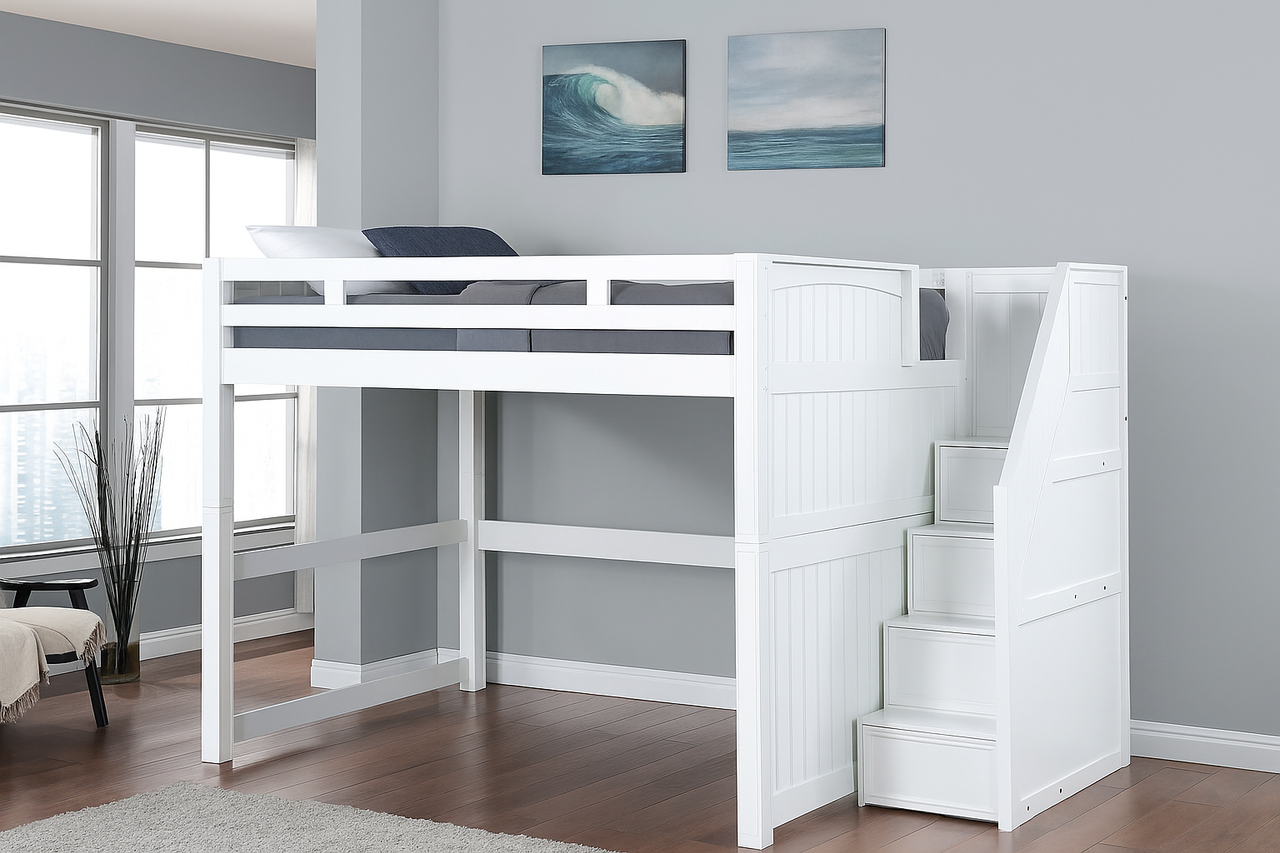
A loft bed uses height to create a clear lower zone. This area can function as a study space, a reading spot, or a storage section. When the bed moves up, the floor becomes more flexible. The lower space receives better use because it is no longer blocked by the mattress and frame.
● Improving Movement and Flow
Open floor space improves movement. A room feels larger when you can walk without stepping around bulky items. A loft bed reduces the number of large pieces on the floor. This opens walking paths and lets you arrange the room with more freedom.
● Supporting Better Organization
A raised bed encourages a divided layout. Sleeping happens above. Work or storage happens below. This creates zones that are easy to manage. Each area serves a clear purpose, which makes it simpler to keep the room tidy.
Space-Saving Uses for Loft Beds
Different setups under a loft bed reveal how the open zone can fit many daily needs.
Workspaces Under the Bed
Students, remote workers, or hobbyists can turn the open area under a loft bed into a functional desk setup. With the bed lifted, even a small desk feels comfortable. Light flows better, and the space feels less compressed compared with a desk pushed into a tight corner.
● Relaxation or Seating Zones
Some people prefer a comfortable seating spot for reading or watching videos. Placing a small sofa, bench, or bean bag below a loft bed creates a cozy retreat. This keeps the main seating out of the way while still giving the room a warm feel.
● Storage Solutions
Storage often takes up large sections of floor space. The lower zone of a loft bed can hold shelves, drawers, or bins. This keeps items off the floor and reduces clutter. With everything arranged vertically, the room gains an organized structure.
How Loft Beds Help You Gain Flexibility
Users gain flexible room layouts when loft beds open new space for work, rest, or daily routines.
● Creating Multi-Purpose Rooms
People often need a room that serves more than one purpose. Some need a place to work. Others need room for exercise, reading, or crafts. A loft bed opens a section of the room that supports these needs. It also avoids the cramped feeling that comes from squeezing everything into one small space.
● Better Use of Height
Many people live in apartments or compact homes where every foot matters. Loft beds take advantage of room height. By lifting the sleeping area, the remaining space becomes more adaptable. This approach works well in rooms with tall ceilings, but even standard ceilings can support a comfortable design.
● A Smart Choice for Guest Rooms
Guest rooms often stay unused for long periods. A loft bed lets the room act as an office or hobby space when no guests are present. When someone visits, the bed is ready without needing extra arrangements. For heavy-duty designs, adult bunk beds can support more weight and accommodate multiple guests with comfort.
Loft Beds for Kids and Teens
Younger users benefit from organized zones that support schoolwork, play, and personal growth.
● Creating Rooms That Grow with Them
Children and teens need space for schoolwork, toys, or personal projects. A loft bed helps divide these areas. The upper sleep zone stays peaceful and separate. The lower zone becomes a flexible area that can change as they grow.
● Reducing Floor Clutter
Kids often fill their rooms with objects. A loft bed gives them more places to store items neatly. When toys, books, or school supplies fit under the bed, the rest of the room stays open.
Design Choices That Affect Space Saving
Small design details influence how well a loft bed transforms the layout of a compact room.
● Selecting the Right Height
The height of the loft bed impacts comfort and functionality. A higher design opens more room for seating or desks below. A mid-height model works well when the ceiling is lower. Choosing the right height helps balance comfort and practical use.
● Choosing the Proper Frame
Sturdy materials support long-term use. Metal frames work well for compact spaces because they look slim. Wooden frames add warmth and structure. Both styles support organized layouts without overwhelming the room.
● Incorporating Built-In Features
Some loft beds include shelves, drawers, or steps with hidden storage. These built-in features reduce the need for extra furniture. This gives the room a cleaner look and keeps the layout simple.
How Loft Beds Support Better Living
Clear zones and open floor space shape a calmer, more functional environment.
● Reducing Visual Clutter
An elevated bed removes the largest object from eye level. This changes how the room feels. With less visible bulk, the space appears larger. This visual effect can reduce stress and create a calmer environment.
● Supporting Healthier Habits
A loft bed supports daily routines. Students get a dedicated work area. Adults gain a clearer division between rest and activity. This separation helps the mind shift between tasks with ease.
● Maximizing Natural Light
Open floor space allows light to travel through the room. With fewer blockages, sunlight reaches corners that were once shadowed by bulky furniture. Better light makes the room feel fresh and open.
Creative Uses for Loft Beds in Small Apartments
Small apartments become easier to manage when a loft bed helps divide and expand the living area.
● Studio Layouts
In a studio apartment, the bed often dominates the room. A loft bed creates a new level that holds the sleep area, freeing the rest of the space for dining, work, or compact living zones.
● Shared Rooms
Roommates or siblings sharing a room benefit from better boundaries. Each person gains a section of the room that feels personal. A loft bed can pair with another bed below or next to it for flexible layouts.
● Urban Renters
Many city homes are small. Loft beds give renters a simple way to improve their layout without renovations. By lifting the bed, the room becomes flexible and easier to navigate.
How Loft Beds Transform a Room
A loft bed changes how the room functions. By lifting the sleeping area upward, it frees the lower zone for more meaningful purposes. It supports work, rest, hobbies, or storage in a way that traditional beds cannot achieve. This simple shift leads to more open space, smoother movement, and stronger organization.
To explore different styles, visit the collection of loft beds that match various room sizes and needs.
Transform Your Space with Just Bunk Beds
At Just Bunk Beds, we focus on designs that make rooms feel open and functional. Our loft beds offer smart layouts for adults, teens, and kids who need more space without adding clutter. We guide every buyer toward a layout that fits the way they live, so the room works better from day one.