
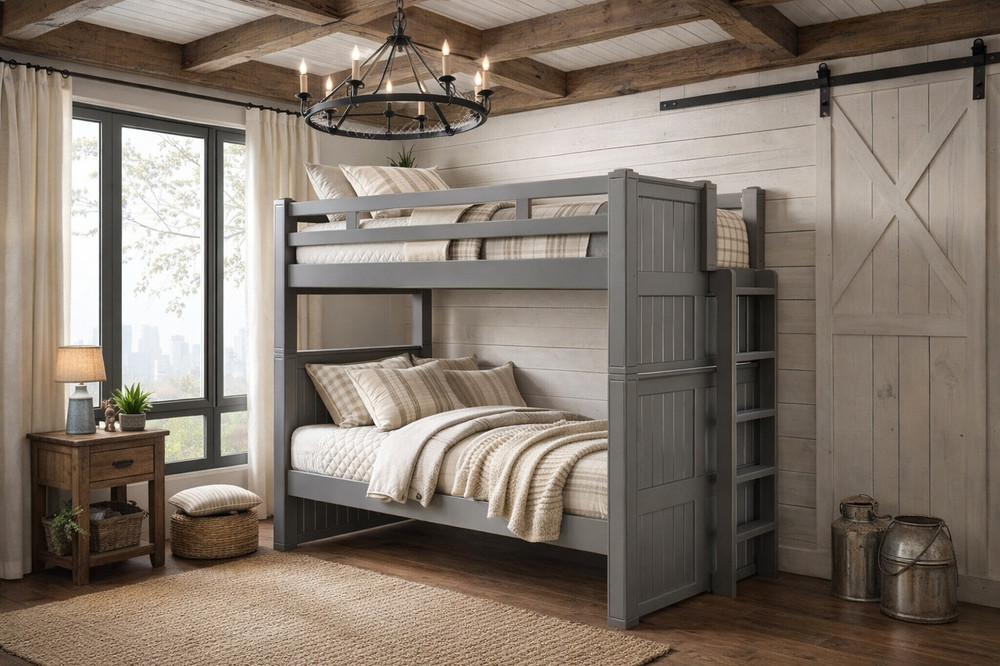
9 Essential Safety Considerations For Adult Bunk Beds
Posted by Posted by Just Bunk Beds on May 1st 2026
A well-built sleeping setup influences daily comfort, long-term durability, and overall peace of mind. When evaluating bunk bed safety for adults, structural strength, material selection, and layout decisions shape the outcome.
Adult bunk beds differ from youth models with reinforced frames, higher load thresholds, and more precise construction. These differences directly impact stability during regular use. From twin bunk beds in compact rooms to long bunk beds in shared environments, each configuration requires careful review.
Structural Strength and Frame Integrity
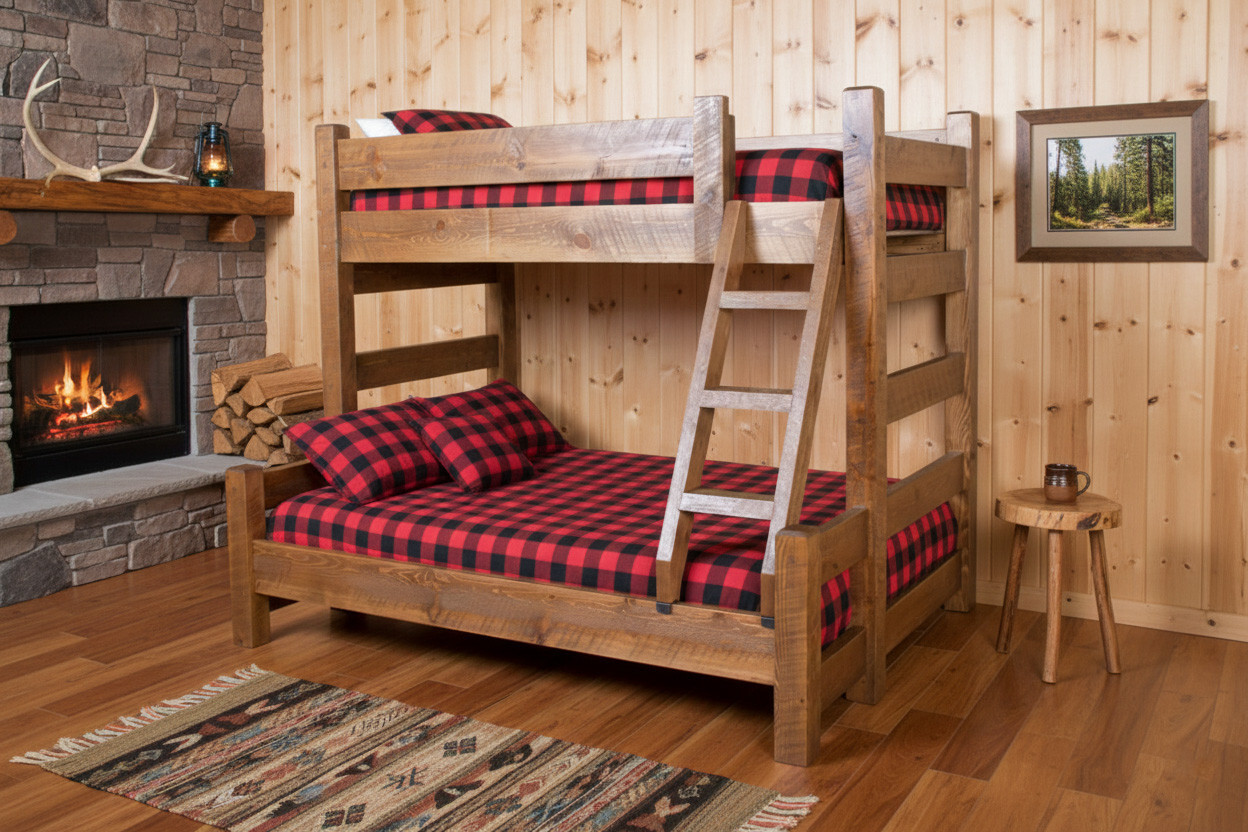
Frame integrity forms the foundation of safe adult bunk beds. A well-engineered structure distributes weight across vertical posts, cross beams, and connection points without imbalance. Solid wood frames with dense grain patterns maintain shape under pressure, while heavy-gauge steel designs resist flex during movement.
Reinforced joints, precision-drilled alignment, and secure fastening hardware reduce instability over time. Weak connections create shifting, noise, and long-term wear. A stable frame should feel grounded during climbing or repositioning. This level of structural balance allows adult bunk beds to handle daily use without compromising safety or comfort across different room layouts.
Weight Capacity and Load Distribution
Weight capacity reflects how a bunk bed performs under repeated use rather than a single test. Adult bunk beds often carry higher limits, yet distribution across slats and support beams determines actual performance.
Evenly spaced slats reduce pressure concentration and maintain mattress alignment. Overloading one section introduces strain on joints and weakens the frame. Twin bunk beds in smaller rooms still require balanced load handling to prevent long-term issues.
Long bunk beds designed for extended sleeping areas must maintain consistent strength across the entire length. Accurate capacity alignment with user needs protects both structural integrity and long-term usability.
Guardrail Height and Protection Design
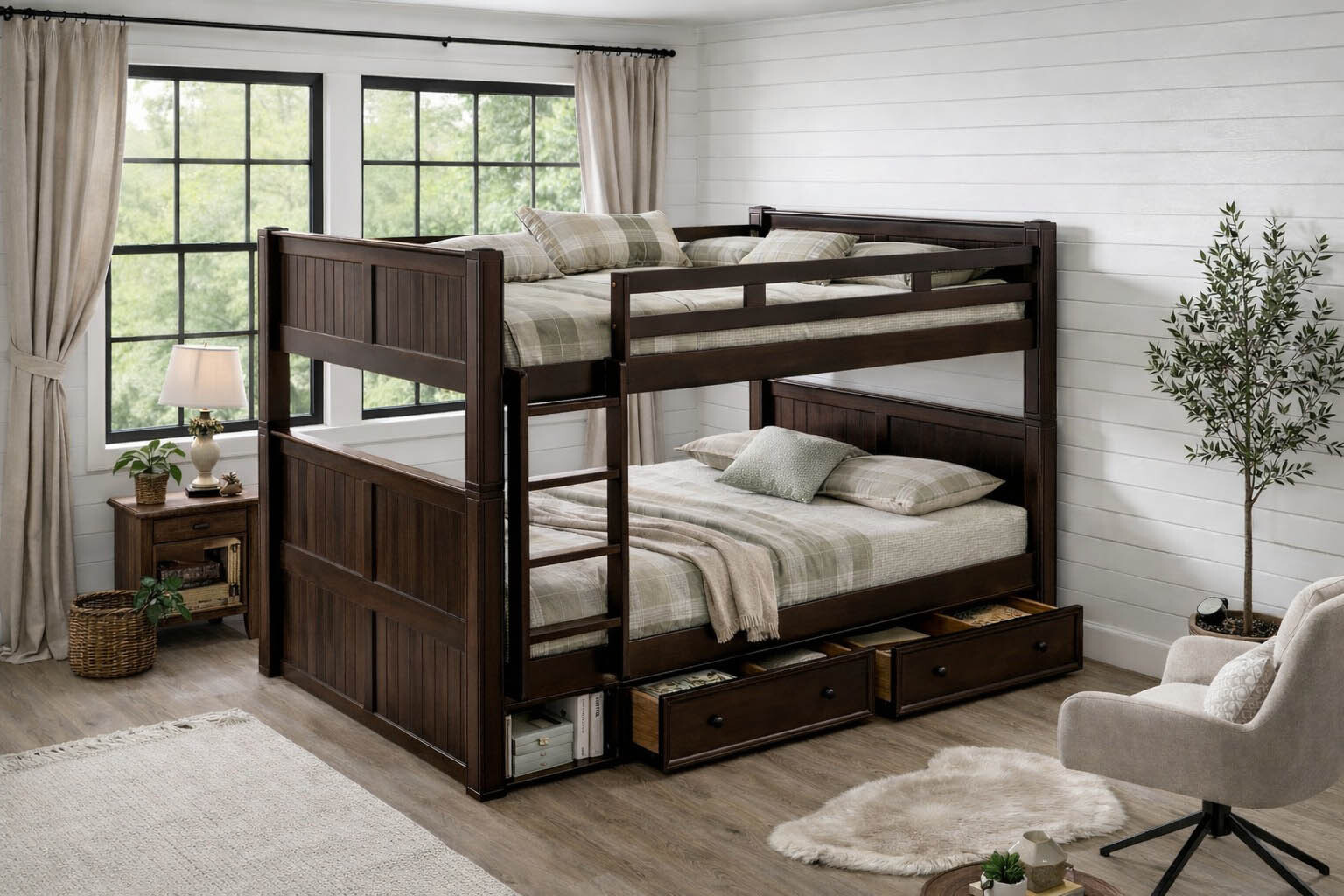
Guardrails act as a primary safety barrier on the upper bunk. Proper height above the mattress surface reduces fall risk during sleep movement. A well-designed rail runs along the full length with minimal gaps, limiting exposure points.
Secure attachment to the frame prevents loosening over time. In adult bunk beds, guardrails should align with mattress thickness to maintain effective coverage. Lower-quality designs often fail due to weak mounting or insufficient height.
A stable, full-length guardrail system plays a direct role in safe usage, especially in shared spaces where movement patterns vary from one sleeper to another.
Ladder Stability and Access Safety
Access design influences daily interaction with the bunk bed. A fixed ladder with secure anchoring reduces movement during climbing.
Step spacing should feel natural, allowing stable footing without strain. Angled ladders often create a more balanced ascent compared to vertical designs, especially in adult bunk beds. Slip-resistant surfaces further improve safety during use. Poor ladder attachment leads to shifting, which increases risk over time.
Placement also matters, as ladders positioned away from obstructions create a clear path. A well-integrated access system supports smooth entry and exit while maintaining overall frame stability.
Material Quality and Long-Term Durability
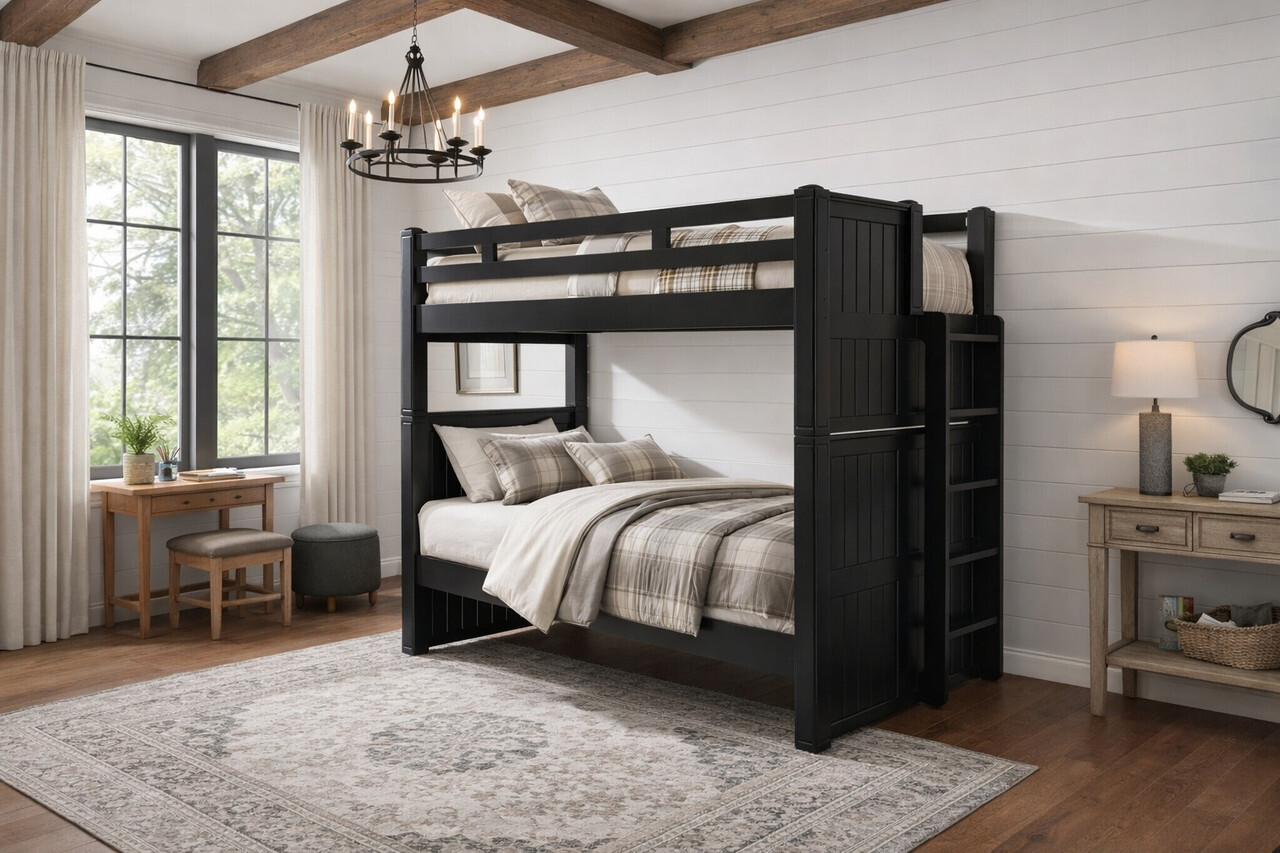
Material selection defines how a bunk bed performs over years of use. Solid hardwood frames resist compression and maintain structural alignment under weight. Steel frames with thicker tubing hold rigidity and reduce flex.
Lower-grade materials often degrade faster, leading to loose joints and weakened support points. Adult bunk beds require durable construction that withstands repeated use without visible wear. Surface finish also plays a role, as smooth coatings reduce friction and protect against damage.
Strong materials paired with precise construction create a stable, long-lasting sleeping solution suited for both private homes and shared living environments.
Bed Height and Ceiling Clearance
Vertical spacing directly affects comfort and usability. Standard bunk bed height ranges between five and six feet, yet room dimensions determine actual fit. Adequate clearance above the top bunk allows a seated position without contact with the ceiling.
Limited space creates discomfort and restricts movement. Lower bunk spacing should also allow easy access without obstruction. Twin bunk beds in compact layouts require careful measurement to avoid cramped conditions.
Long bunk beds in larger rooms still demand proper vertical balance. Thoughtful height alignment improves both safety and overall experience, especially in multi-use or shared spaces.
Placement and Room Layout Considerations
Room placement affects both safety and accessibility. A bunk bed positioned on a level surface reduces the chance of imbalance. Clearance around the frame allows safe movement during entry and exit. Avoid placing the bed near ceiling fixtures, fans, or hanging objects that may interfere with upper bunk use. Open space around the ladder improves visibility and reduces obstruction.
In shared rooms, layout planning prevents crowding and supports smoother daily use. Adult bunk beds benefit from a well-planned environment that complements their structure, allowing consistent performance without introducing avoidable risks.
Compliance with Safety Standards
Safety standards guide the design and testing of bunk beds used across different environments. Regulations outline requirements for guardrails, spacing, and structural performance. Compliance with these standards reflects a higher level of construction accuracy and testing validation.
Adult bunk beds that meet recognized guidelines demonstrate consistency in design and durability. These benchmarks also reduce uncertainty during the selection process.
Verified compliance signals that the bunk bed has undergone structured evaluation rather than relying on surface-level claims. This level of assurance contributes to a safer and more reliable long-term investment.
Regular Inspection and Maintenance Awareness
Long-term performance depends on consistent inspection and timely adjustments. Over time, fasteners may loosen, and minor shifts can develop within the frame. Periodic checks help identify early signs of wear before they affect stability.
Tightening hardware and confirming alignment preserves structural balance. Slat positioning should remain even, with no visible gaps or displacement. Adult bunk beds used in high-traffic environments may require more frequent review.
A well-maintained frame continues to perform as intended, reducing unexpected issues. This proactive approach extends product lifespan while maintaining a secure sleeping setup.
Choose a Reliable Setup with Just Bunk Beds
At Just Bunk Beds, selecting adult bunk beds becomes a clear and confidence-driven process. Our collection focuses on strong materials, stable construction, and layouts that fit real living spaces. We guide you through sizing, weight capacity, and configuration choices so your setup aligns with daily use. Our team responds quickly and shares accurate details that simplify decision-making.
Explore our bunk bed collection and move forward with a solution that feels secure, practical, and built for long-term use.